

Moving over a long distance requires detailed planning. This process can be overwhelming without the right guide. The purpose of this article is to provide a clear blueprint for your long-distance moving journey.
Begin with Planning
Long before the move, you should begin planning. Make a list of tasks. Include changing addresses, notifying utility companies, and packing. Break these tasks into manageable phases.
-
Create a Timeline: Set dates for each phase of the move. Assign deadlines for packing and arranging transportation. A structured timeline will help keep you on track.
-
Set a Budget: Moving long-distance can be expensive. Outline your budget early. Consider costs for moving companies, packing materials, travel, and temporary housing. Compare prices to find budget-friendly options.
Inventory Your Belongings
Before packing, take inventory. This will help determine what to move. It will also assist in quoting costs with moving services.
-
Categorize Possessions: Separate items by type. Identify what to keep, donate, or discard. This step helps in downsizing and reducing moving costs.
-
Document Valuable Items: Take photos of high-value items. Record their condition for insurance purposes. This documentation is necessary should any loss occur during transit.
Choose Your Moving Service
Picking the right moving service is crucial. A reliable service ensures a smooth transition.
-
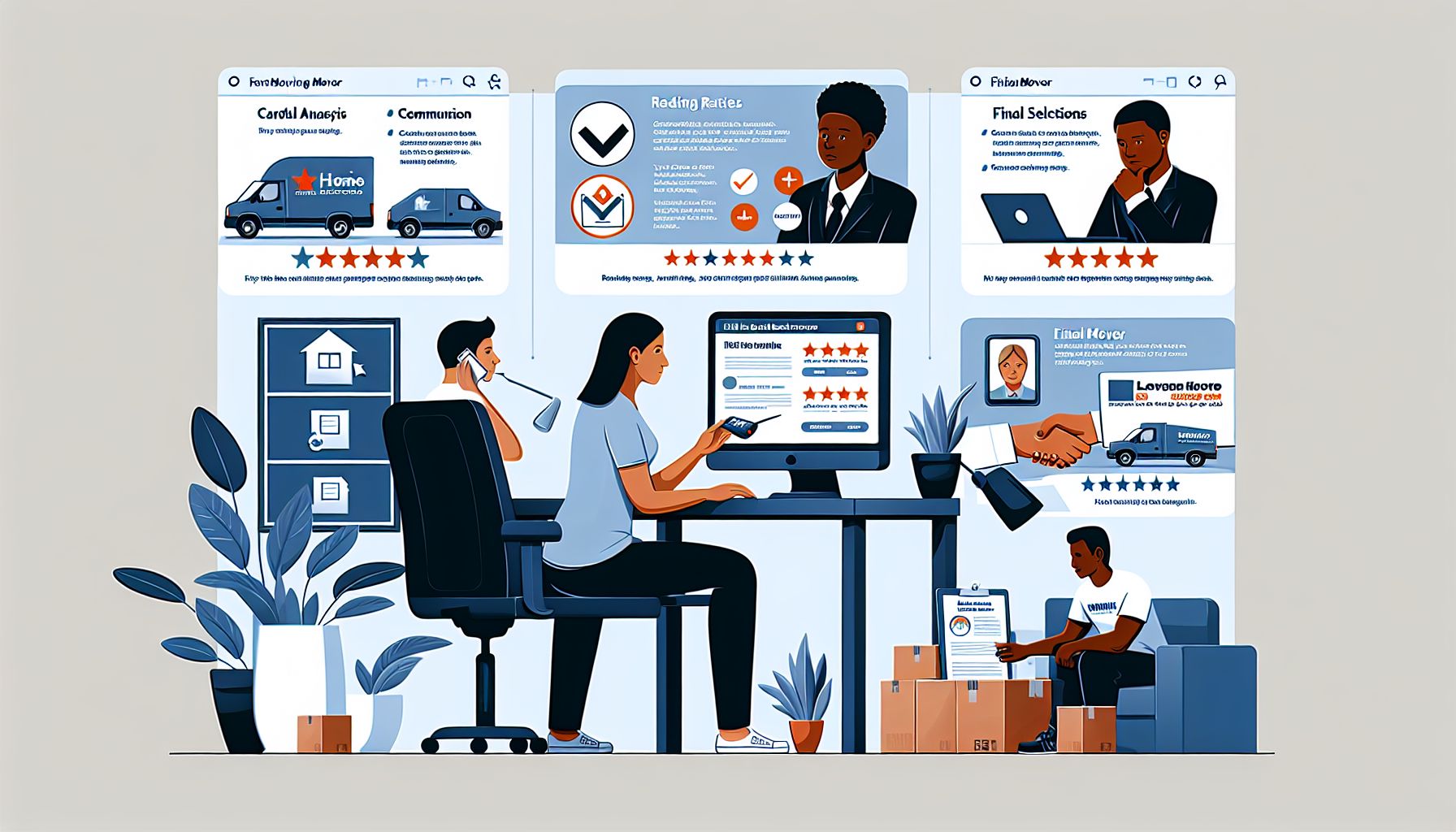
Research Companies: Look for reputable long distance movers. Use reviews and ratings to assess reliability. Ensure that the company is licensed and insured.
-
Get Quotes: Provide your inventory list to get accurate quotes. Compare at least three companies before deciding.

Pack Efficiently
Packing effectively can save time and space. Use the following strategies to ensure a seamless packing experience.
-
Gather Packing Supplies: Get enough boxes, tape, labels, and padding material. Quality materials protect your items during the move.
-
Pack by Room: Label boxes by room and content. This method simplifies unpacking. Start with rarely used items, progressing to daily necessities closer to the move.
Address Change and Utilities
Changing addresses and notifying utility companies are vital steps.
-
Notify Relevant Parties: Inform your post office, banks, and insurance of the move. Update your address for any subscriptions and online services.
-
Arrange Utilities: Schedule disconnection of old utilities and reconnection at your new home. This step ensures your new home is ready upon arrival.
Plan Travel and Accommodation
Consider travel and temporary accommodation, especially for cross-country moves.
-
Book Travel Early: Arrange your travel plans to avoid last-minute surprises. This could include flights or fuel stops for road trips.
-
Find Temporary Housing: If necessary, secure temporary lodging. This is useful if your moving schedule faces delays.

Prepare for Arrival
Preparation ensures a smooth landing in your new home.
-
Set Up a Guardianship for Kids and Pets: Arrange care or transport for your children and pets. Make sure they have a safe travel experience.
-
Plan for Unloading: Coordinate with movers on unloading and unpacking. This plan will minimize disruption on your arrival day.
Pros and Cons of Moving Alone vs. Hiring Movers
Knowing the advantages and disadvantages can guide your decision between professional movers or a DIY approach.
Hiring Movers
- Pros: Experts manage logistics and heavy lifting. Potential damage reimbursement is available through insurance.
- Cons: Higher costs compared to self-moving.
Moving Alone
- Pros: Cost-effective if you manage your own move. Complete control over scheduling.
- Cons: Physical labor is required. Greater risk of damages due to inexperience.
Conclusion
A long-distance move can be organized and efficient with careful planning. Start early, choose the right movers, and stick to a clear process. Whether you hire long distance movers or decide on a do-it-yourself plan, preparation is key.
For more information on planning a move, refer to reliable sources like Forbes, The Spruce, and U.S. News.
Prepare for your move with confidence!